Two clients can choose the same polish color and leave a Belmont salon with sets that look nothing alike. The difference is usually shape. Shape controls how long fingers appear, how wide the nail bed reads, and, less obviously, how the nail handles daily work. Corners break. Curves bend and recover. That is physics, not fashion.
If you have ever had a set you loved in the salon and hated by Wednesday, shape is a likely suspect. The good news is that shape is the easiest variable to change. You can test a new one at your next fill without changing product, color or salon.
Round and oval: the low maintenance end
Round nails follow the fingertip, with edges filed away into a smooth curve. Oval is the same idea stretched a little longer, which makes fingers look longer without adding fragile corners. Both shapes suit short nails, hands that type or work with tools, and anyone who has given up on keeping square corners intact.
Because there is no corner to catch, round and oval sets tend to chip later and snag less on clothing and gloves. For nurses, mechanics, gardeners and parents of small children around Belmont, that practical edge usually outweighs the sharper look of a squared tip.
Square and squoval: sharp looks, honest trade-offs
Square nails have a straight free edge and defined corners. On longer nails the look is clean and deliberate, and flat art designs sit well on the wider surface. The corners, though, are stress points. They catch, they chip, and they are the first place a set fails for people who open boxes and cans with their hands.
Squoval splits the difference, a straight edge with the corners softened. It keeps most of the square look while removing the most fragile part. If you love square in photos and hate it by Friday, squoval is usually the answer, and many technicians will suggest it unprompted once they hear how you use your hands.
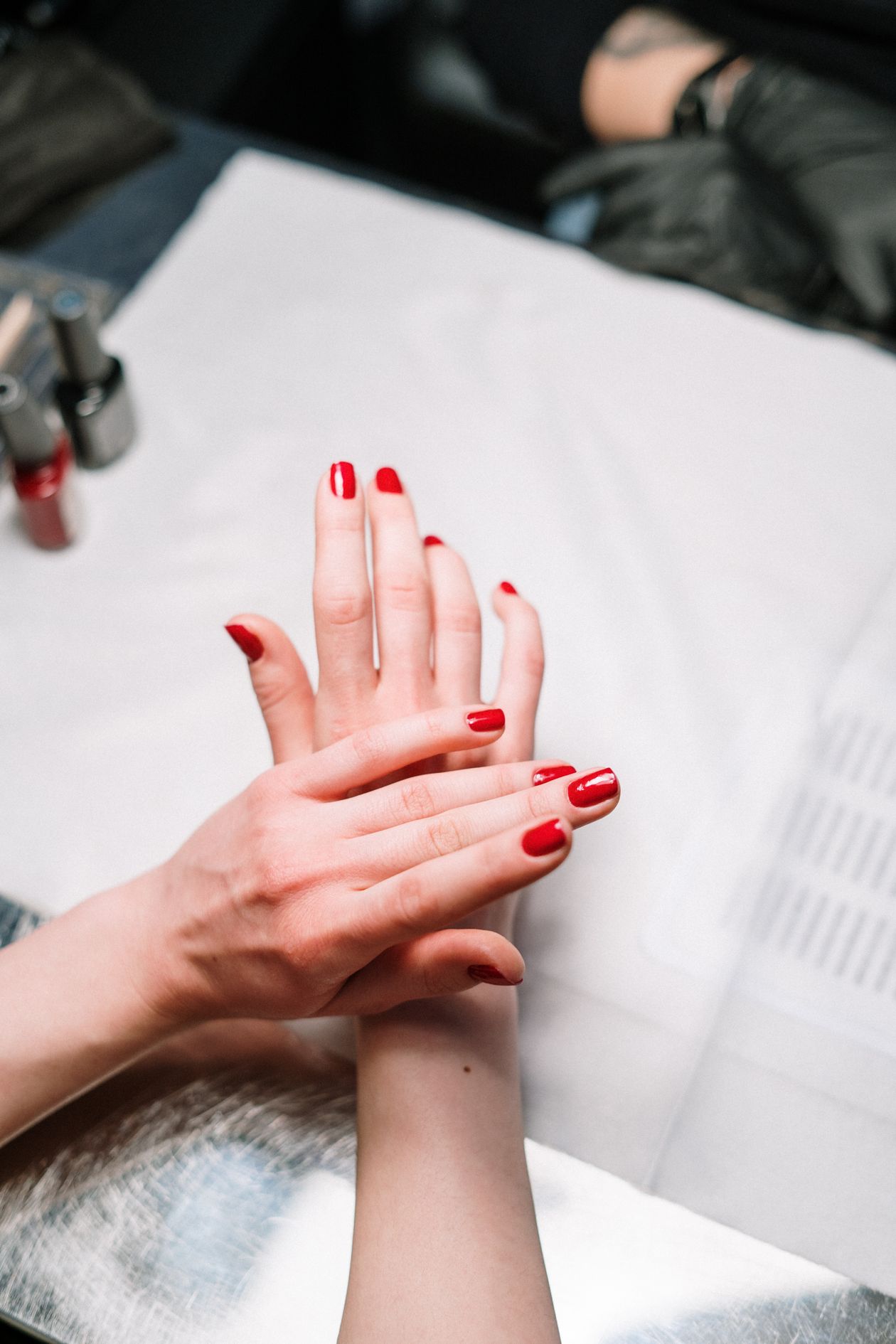
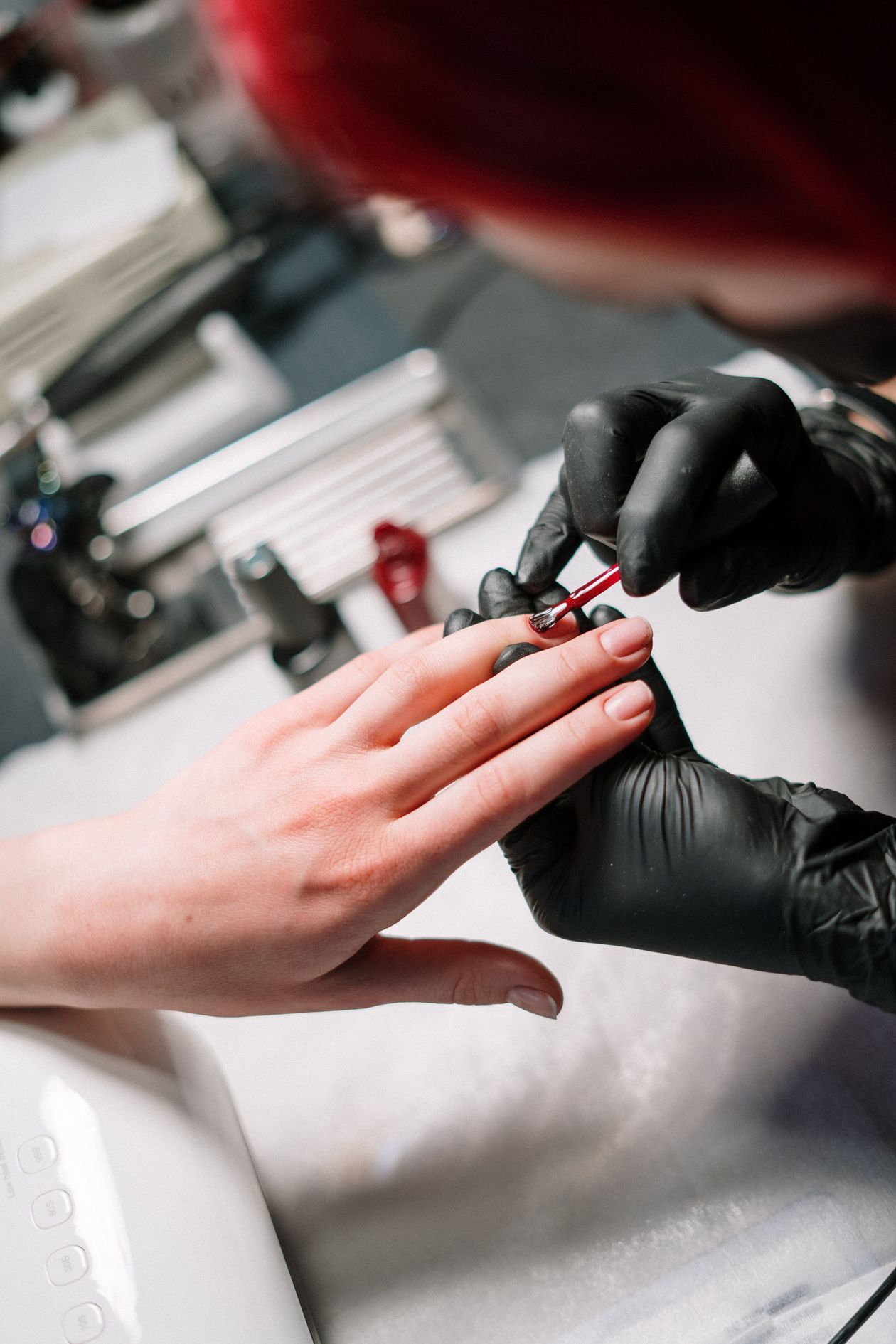
Almond and coffin: length with consequences
Almond nails taper to a soft point and need some length to look right, since the shape is built into the sides of the nail. Coffin, also called ballerina, tapers too but ends flat. Both make fingers look long and both concentrate stress near the tip, so they pair best with the added strength of acrylic or a structured dip or gel build.
Be honest about your week before choosing either. A long tapered set and a weekend of moving boxes, weeding beds or coaching youth soccer can coexist, but not comfortably. Most regulars keep a long shape for events and a shorter, rounder shape for ordinary working weeks, switching at the fill appointment.
Shape and nail health
Shape also interacts with weak or splitting nails. A nail that splits at one corner often does better filed into a curve, which removes the corner where the split starts. A nail that peels at the tip does better kept shorter, where there is less flexing to work the layers apart. Tell your technician where your nails usually fail, and the filing can be planned around that weak point.
There is also a regrowth effect. As a shaped set grows out, the shape changes. Square corners soften, almond tips widen, and the balance of the nail shifts toward the free edge, which is one reason a set can feel clumsier in week three than it did in week one. The fill appointment restores both the surface and the intended shape.
If you are torn between two shapes, ask the technician to file one hand each way before color goes on, then look at both in daylight for a minute. Shape reads differently in motion than it does in a sample photo, and living with the comparison for sixty seconds settles a question that twenty minutes of scrolling never quite does.
Common questions
Can I change shape at a fill appointment?
Yes. Fills are the natural moment to change shape, since the technician is already filing the set back and rebuilding the surface.
Which shape breaks the least?
Shorter round and oval shapes break least, because they have no corners to catch and the stress is spread across a curve.
Does shape affect how long nails look?
It does. Almond and oval shapes make fingers read longer, while short square shapes make nail beds look wider and neater.
Photos in this guide are representative stock images.
← All guides from iColor Nail Bar← Back to iColor Nail Bar