In Belmont, pedicures spike in May and vanish in January, which is backwards in one important way. Summer feet get seen, so they get cared for. Winter feet spend months inside boots and thick socks, where callus builds, heels crack in heated indoor air, and toenails grow long enough to press into the toe of a shoe. The discomfort arrives in spring, at exactly the moment everyone wants sandals.
A steadier rhythm works better than a seasonal scramble. The appointment itself does not need to change much. What changes is the emphasis, polish and presentation in the warm months, skin and nail health in the cold ones.
Spring and summer: polish, timing and sun
Warm weather pedicures are about finish. Book a day or two before a trip, a wedding or a beach weekend rather than the morning of, so polish is fully hard and any small skin tenderness from exfoliation has settled. Closed shoes straight after an appointment are the enemy of fresh toenail polish, so bring sandals even if you arrived in sneakers.
Feet also burn. The tops of feet are thin skinned, often missed with sunscreen, and exposed for the first time in months at Lake Wylie or a backyard cookout. A pedicure scrub removes dead skin, which is good, and that fresh skin needs sun protection on its first days out.
Fall and winter: callus, heels and nail length
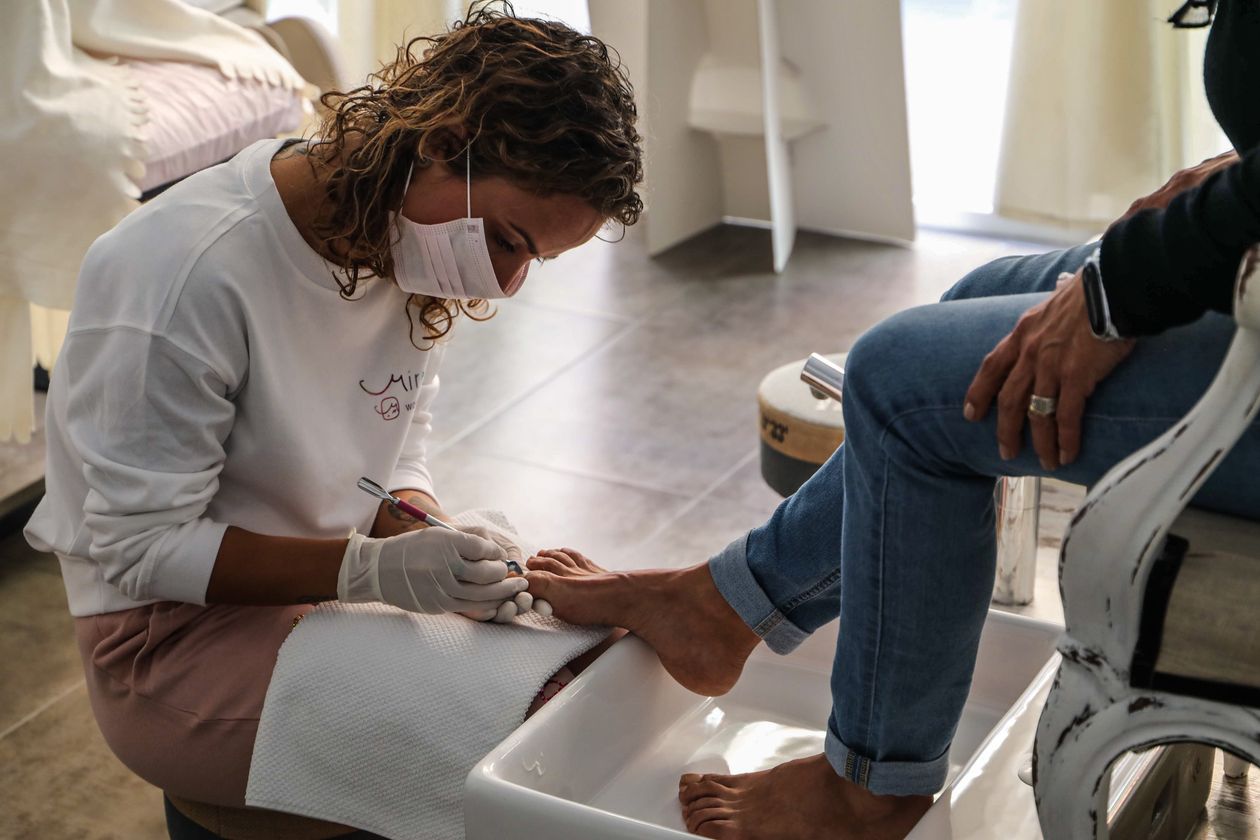
Cold season work is less visible and more useful. Soaks soften the callus that builds from boots and standing work, and regular care keeps it from splitting. A split heel is not a cosmetic issue. It stings, it catches on socks and bedding, and it gives bacteria an opening. Small, regular reductions beat one aggressive session that leaves feet sore.
Keep toenails trimmed through winter even with no polish involved. Long nails inside a boot press with every step on a hill or a ladder. Tell your technician if a corner digs in. Early attention to an ingrown edge is a salon matter. A hot, swollen, painful toe is a medical one, and a good technician will say so plainly.
- Book ahead on Friday afternoons and before holiday weekends, when chairs fill first
- Wear or bring open shoes in summer so fresh polish is not pressed into a closed toe
- In winter, keep up soak and callus care even when toes stay hidden in boots
- Moisturize heels nightly in dry months, before cracks form rather than after
- Trim toenails straight across between visits and file rough corners smooth
- Tell the technician about sore spots, corns or a nail that digs in, before work starts
A simple calendar that works
For most people, a pedicure every four to six weeks keeps skin and nails in a steady state, with polish changes or a quick tidy in between if an event comes up. People on their feet all day, runners training through Gaston County summers, and anyone managing very dry skin often do better at the shorter end of that range.
Between visits, three habits carry most of the benefit. Moisturize heels at night. Dry between toes after showers, especially in humid Piedmont summers. And rotate the shoes you stand in all day, so pressure points move around instead of building callus in exactly the same two places month after month.
Shoes, socks and the walk out
What you wear home matters more in winter than summer. A fresh pedicure in July slides into sandals and survives. The same pedicure in January gets pressed into a wool sock and a boot for the drive home, and polish can wrinkle or dent. In cold months, choose a buffed finish, gel on the toes if the salon offers it, or accept that the appointment is mainly about skin and nail care.
Socks deserve a thought too. Clean cotton or wool socks after a pedicure feel better and are kinder to freshly exfoliated skin than the pair you wore all day. It is a tiny detail, the kind regulars build into the routine without thinking, along with bringing the sandals in from the car instead of leaving them in the trunk.
Common questions
Can I get a pedicure with no polish?
Yes. Soak, shaping, callus and skin care and massage all stand on their own, and many winter appointments skip color entirely.
How soon before a trip should I book?
A day or two ahead is the sweet spot. Polish is fully cured and your feet have recovered from any vigorous scrubbing.
What if my heels are already cracked?
Book anyway and say so when you arrive. Gentle, regular callus care helps, but deep or bleeding cracks should be checked by a clinician first.
Photos in this guide are representative stock images.
← All guides from iColor Nail Bar← Back to iColor Nail Bar